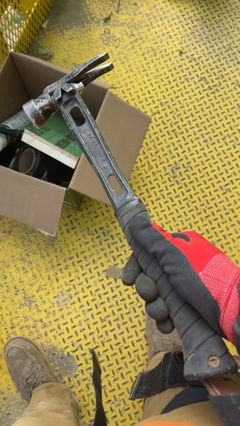
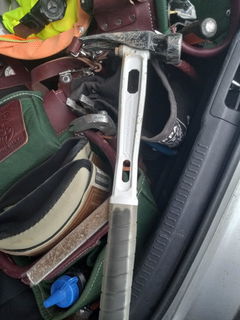
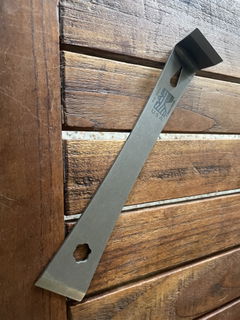
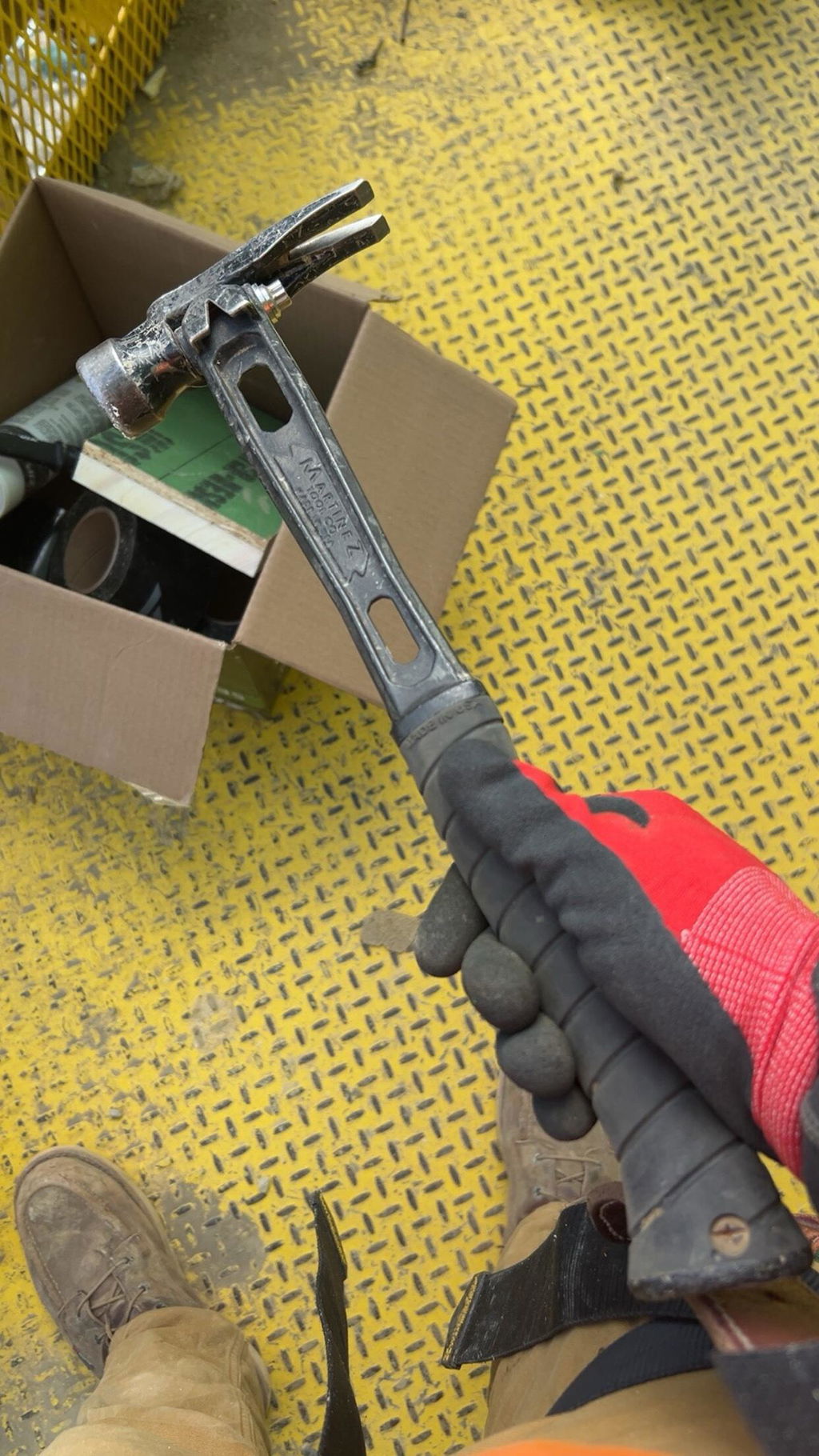
A nail hammer built for professional use is engineered for the pace, volume, and physical demand of tradesmen who drive nails all day. Consumer-grade options aren't built for that. If you're still narrowing down which style fits your trade, Different Types of Hammers: A Professional's Guide to Every Style breaks down every option by application. Here's what the professional standard looks like.
Head Weight That Matches the Work
15oz for framing — enough mass to drive in fewer strikes without burning out your arm by noon. 12oz for finish work — lighter, more controlled, and accurate enough for applications where surface damage isn't acceptable. The right head weight for the application means fewer strikes per nail and less wasted effort across a full shift.
Face Designed for High-Velocity Contact
A milled face grips the nail head at high velocity — critical on overhead drives, awkward angles, and fast repeat striking, where a glancing blow costs you time and accuracy. A smooth face delivers clean contact on finish applications where the surface matters. The wrong face either damages the work or costs you control.
Balance Engineered for Speed
A hammer that's front-heavy slows your swing arc and fights your wrist on fast repeat striking. Professional-grade balance between head and handle puts the tool in a natural arc, reduces resistance per swing, increases speed through the strike zone, and reduces strain over a full day of high-volume nail driving.
Eliminating Joint Strain With The Right Nail Hammer
Joint strain from hammering isn't a single injury — it's an accumulation. Every swing adds a small amount of impact load to your wrist, elbow, and shoulder. The wrong hammer accelerates that accumulation. The right one slows it down significantly.
Weight
A hammer that's too heavy loads every swing. Too light and you're doubling your strike count. For tradesmen where fatigue is the primary concern, a lightweight framing hammer reduces cumulative load without sacrificing the driving power needed for structural work. 15oz for framing, 12oz for finish — the right weight for the application means fewer strikes per nail and less cumulative load on your joints per shift.
Vibration
Steel handles transfer impact energy straight up to your hand on every miss or glancing blow. A titanium handle dampens that transfer. Less vibration per strike adds up to measurably less strain across a full day of nail driving.
Balance
A front-heavy hammer forces your wrist to compensate on every swing. A proper balance between head and handle puts the tool in a natural arc — less muscular effort per strike, and less fatigue building through the back half of the day.
Selecting A Nail Hammer For Framing And Structural Work
Framing requires power. Head weight drives nails through dimensional lumber in fewer strikes. Handle length increases swing velocity without added effort.
Match Head Weight to Material Density
Hammer heads in the 15–20oz range are commonly used for framing, with heavier heads generally providing more driving force. However, nail bending or mushrooming depends on nail type, material density, angle of strike, and technique.
Handle Length Affects Swing Speed
Longer handles can increase head velocity and leverage, but may reduce control in tight spaces. For tradesmen who need maximum swing velocity on overhead or wide-arc framing work, a long handle hammer extends reach and increases force behind every strike. 16–18" handles provide the leverage needed for framing without sacrificing control when working between studs or joists. Shorter handles reduce reach but improve precision.
Moving To A Finish Nail Hammer For Trim And Cabinetry
Framing hammers are built for volume. Finish work is built on precision. The two applications need different tools, and the transition to a dedicated finish nail hammer changes how trim and cabinetry work gets done.
What Changes When You Switch
A 12oz finish hammer in place of a heavier framing hammer means more control on every strike. Less force means less surface damage, fewer blow-throughs on thin material, and cleaner nail sets without a separate countersink step. The work gets faster and cleaner at the same time.
What to Look for in the Transition
Smooth or dimpled face, not milled. 12oz head, not 15oz. 14" handle, not 16". These aren't downgrades. They're the right specs for the application.
The Martinez M4
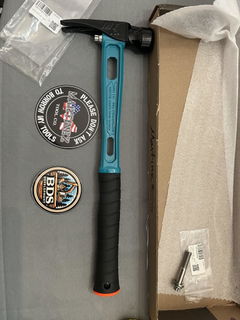
12oz smooth or dimple steel head. 14" titanium handle. Curved or straight grip. Built specifically for trim carpenters and finish tradesmen who need precision over power — available pre-configured or custom-built through the Martinez hammer configurator.
Titanium Handles, Steel Heads, Modular Grips
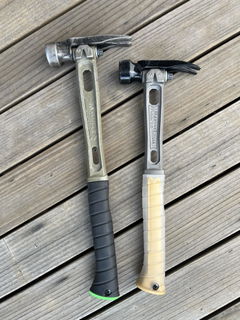
We engineer nail hammers using materials that perform under real working conditions. Every Martinez nail hammer uses a titanium handle and a precision-machined steel head. The steel head delivers driving force. The titanium handle reduces weight and vibration transfer. Grips are available in curved or straight, across a full range of colors and overlays.
Grip Options
Choose based on how you hold and swing. Swap when grips wear. Curved grips suit a more natural wrist angle for many framers. Straight grips offer a consistent feel in and out of pouches. Textured surfaces maintain control in wet or dusty conditions.
Built for Long-Term Use
These tools are not disposable. Titanium and steel are durable engineering materials designed to resist wear under normal use. Proper maintenance extends working life across years of daily professional use.
Shop The Martinez Nail Hammer Collection
Choose from the M1 framing lineup or the M4 finish lineup, pre-configured and ready to ship. For tradesmen who need both driving and extraction in a single tool, the best claw hammer for construction handles nail pulling without requiring a dedicated bar on every job. Or build exactly what you want through the Martinez hammer configurator — head weight, face style, handle length, grip type, and finish. Every configuration is American-made and built to the same standard across the board. Free shipping within the United States. Processed and out the door within 3–5 business days.