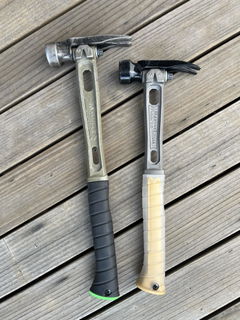
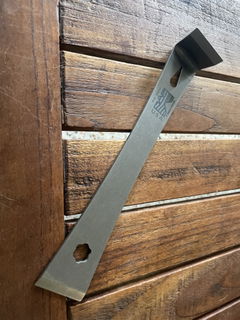
Construction hammers face constant impact, weather exposure, and hard use. Hammer heads can chip, deform, or crack under improper use or poor manufacturing — any tool with cracks or a chipped face should be replaced. Quality materials withstand punishment without fail. Titanium construction offers strength without excessive weight. Hardened steel handles the striking face, where impact resistance is critical. Watch our video on all about Martinez custom hammer heads for a full breakdown of how our head engineering delivers consistent control and driving efficiency on the job.
Head Design and Strike Face
The striking face, head geometry, and claw design all determine how a hammer performs under sustained daily use. The striking face needs to be large enough for accuracy without throwing off balance. A milled face prevents nail heads from slipping. Smooth faces work better for finishing work where surface marks are a problem. Face geometry affects how force transfers to the nail with each strike.
Handle Construction and Shock Absorption
Handle failure ends a workday fast. Construction-grade handles absorb shock without transmitting excessive vibration to your arm. Material choice matters. Length affects leverage and control. Grip texture needs to work when your hands are sweaty, dusty, or gloved.
Curved Claw Hammer vs. Straight Claw: What The Difference Means On The Job
The claw design determines more than nail-pulling capability. It changes how the tool functions across different tasks. Martinez builds straight claws into our hammers — here's why.
Curved Claw
Curved claws excel at pulling nails flush against surfaces. The curve provides natural leverage as you rock the hammer back, making them a common choice for finishing work and detail carpentry where clean nail removal matters.
Straight Claw: What We Build
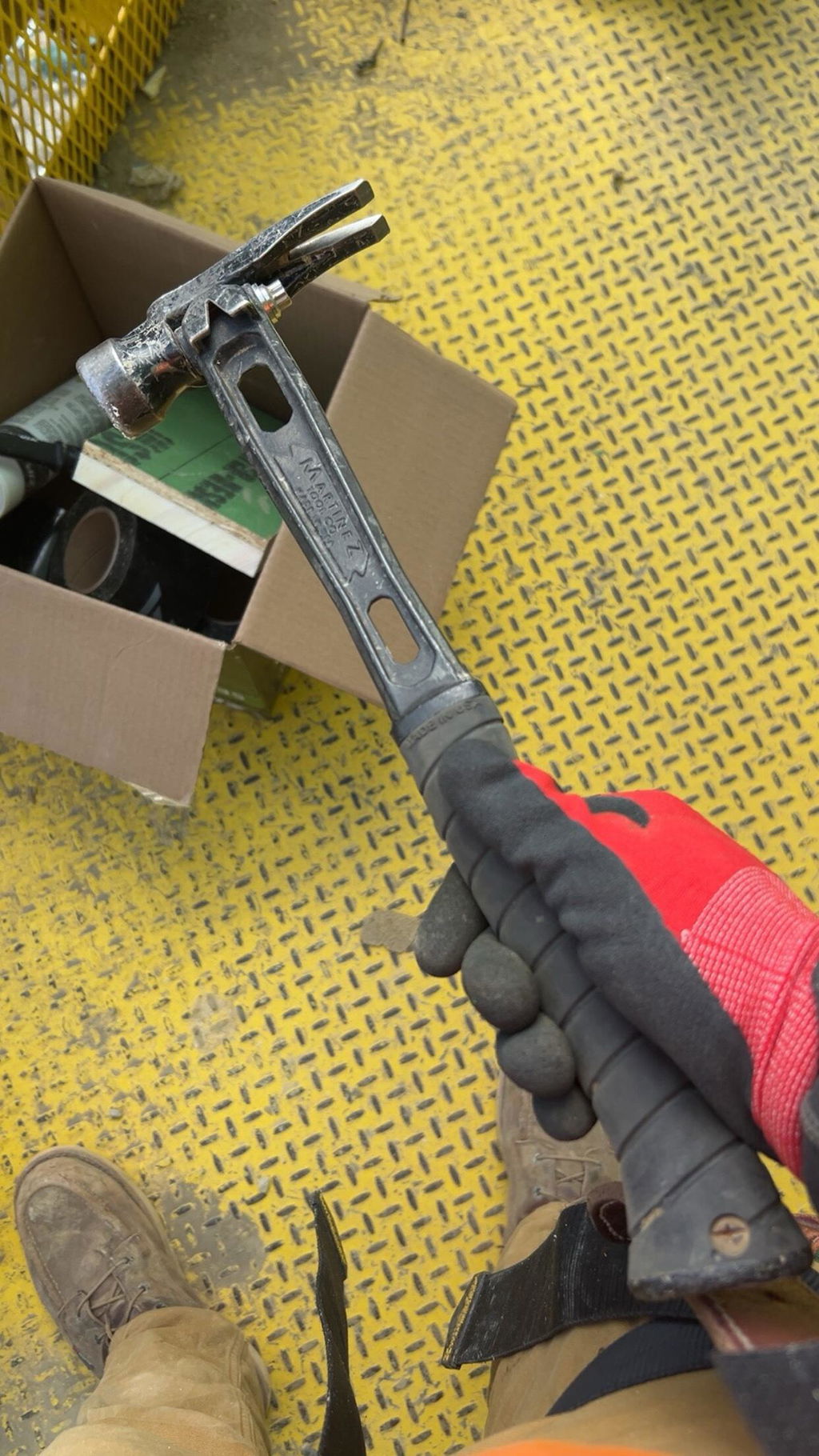
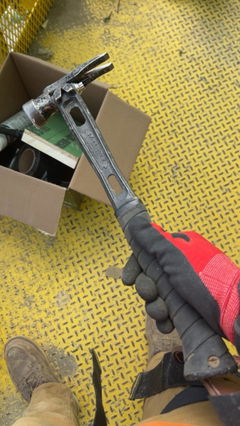
Straight claws function as pry bars. That dual-purpose capability is why we chose them — on framing and rough construction projects, you're separating materials, popping boards, and working in tight spaces where a curved claw can't get purchase. The flat edge fits where a curve won't. It's the right tool for the work our hammers are built for.
Weight Distribution Differences
Claw design affects overall balance. Curved claws typically sit closer to the handle centerline. Straight claws extend further, shifting the center of gravity slightly forward. This impacts swing control and fatigue over extended use. Watch our comparison of curved vs straight hammer grips to understand which option best suits your working style through a full shift.
What To Look For In The Best Claw Hammer For Your Trade
Choosing the right hammer means understanding which features matter for your specific work. Watch our guide on which Martinez hammer is right for me to find the head weight, handle style, and face configuration that fits your trade and daily demands.
Handle Length and Control
Longer handles generate more force per swing but require more space to operate. Shorter handles offer better control in tight spaces. Construction hammer handles typically range from 14 to 18 inches depending on design. Your height, arm length, and typical work environment determine the ideal length.
Head Weight and Striking Power
Common weights range from 16 to 32 ounces — approximately 16–20 oz for general carpentry and 20–32 oz for framing. Heavier heads drive larger nails with fewer strikes but cause faster fatigue. Lighter heads allow for more controlled, precise work. Framers typically run heavier hammers. Finish carpenters prefer lighter options for accuracy.
Grip Design and Security
The grip needs to prevent slippage without requiring excessive hand pressure. Texture patterns should work across different conditions — wet, dusty, or gloved. Diameter affects comfort during extended use. Too thick causes hand cramping. Too thin reduces control.
Balance Point Location
A well-balanced hammer feels natural in your hand. The balance point should sit where your grip naturally rests. Poor balance forces you to fight the tool with every swing. Good balance makes accurate strikes feel effortless.
Why Hammer Weight And Balance Matter More Than You Think
Most people focus on head weight and ignore the physics that actually affect performance. Balance determines how accurately you can place each strike. A head-heavy hammer wants to pull forward. A handle-heavy tool requires more wrist control. Proper balance lets the hammer track naturally to your target without correction.
Fatigue and Repetitive Strain
Poor balance forces your muscles to compensate constantly. This creates fatigue in your forearm, wrist, and shoulder. A properly balanced tool uses momentum efficiently, reducing the effort required per strike. On hammer-intensive tasks with hundreds of repetitions per day, repetitive striking with poorly balanced tools can contribute to fatigue and cumulative strain.
Efficiency Over a Full Shift
The difference seems small per swing. Over eight hours, it's significant. A balanced hammer maintains accuracy as you tire. An unbalanced tool becomes harder to control as fatigue sets in. Your last swing of the day should feel as controlled as your first.
Hammers Made In The USA: Why It Matters To Professional Tradesmen
Manufacturing location affects more than just the label. Quality control depends on specific standards, including inspection processes and supplier controls. Domestic manufacturers who prioritize quality maintain detailed verification procedures and tighter tolerances throughout production — and when something needs to be addressed, support is in the same time zone.
Warranty and Support Accessibility
Dealing with a U.S. company means accessible customer service. Getting warranty work handled doesn't require international shipping. Support staff understand job site demands because they're part of the same industry.
Why Pros Choose Martinez Tools For The Best Claw Hammer
There's no shortage of claw hammers on the market. What's harder to find is one built to the standards of professional construction work. Martinez builds claw hammers for tradesmen who use them every day.
American-Made From the Ground Up
Every Martinez hammer is built in the USA. Precision, quality control, and craftsmanship — not a marketing line. Learn more about our workmanship and how that standard shows up in every hammer we build.
Titanium Handle, Steel Head — Engineered For The Job
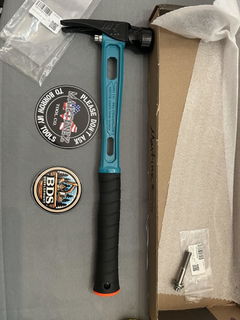
Martinez claw hammers use a titanium handle paired with a hardened steel head. The titanium handle reduces total tool weight without sacrificing the steel head's driving strength. Less fatigue over a full shift. No compromise on power. That's engineering, not a gimmick.
Precision Balance Engineered for Construction Work
Every Martinez hammer is engineered so the weight distribution between head and handle puts control in your hand from the first swing to the last. On a construction site where you're driving hundreds of nails a day, that balance translates directly into accuracy, efficiency, and less strain over time.
A Claw Designed to Pull Clean Every Time
The claw on a Martinez hammer is designed to set, grip, and pull without tearing up surrounding material — which matters when you're working on finish surfaces or pulling nails in tight spots. A claw that slips or damages surrounding work costs time and material.
Built to Outlast the Job Site
Cheap hammers fail. Handles crack, heads loosen, and claws wear down. A Martinez claw hammer is built to last — not through one season, but through years of daily professional use. These are not disposable tools. Built to be relied on, day in, day out.
A Brand With 30+ Years Behind It
Martinez Tools was built by a professional who spent 30+ years making and swinging hammers. That foundation shows in every design decision we make.
Shop The Martinez Claw Hammer Built For Construction
Martinez Tools builds professional-grade claw hammers for construction work, available directly from us, shipped to your door. Browse our best selling hammers to see which configurations construction professionals depend on most.
A Lineup Built for the Way You Work
Martinez claw hammers are available in configurations built for specific trades and applications — framing, finish carpentry, or general construction. Choose your head weight, handle style, and grip. A tool dialed in for your work, not someone else's.
Order Direct. Free US Shipping.
Buy straight from Martinez Tools. Free shipping on every order within the United States, with 3–5 business day processing. Professional-grade tools, delivered on a timeline that works for the job site.


![[SKU][MZ4501_RD][0]](//martineztools.com/cdn/shop/files/MZ4501_RD-1.jpg?v=1783103362&width=500)


![[SKU][MZ4111][2]](//martineztools.com/cdn/shop/files/MZ4111-M1-Titanium-Handle-15oz-Smooth-Steel-Head-Straight-Grip-Framing-Hammer.jpg?v=1759949356&width=500)


![[SKU][MZ4254][0]](//martineztools.com/cdn/shop/files/MZ4254-1.jpg?v=1783103787&width=500)


![[SKU][MZ5002][0]](//martineztools.com/cdn/shop/files/MZ5002-1.jpg?v=1783103754&width=500)


![[SKU][MZ4501_RD][0]](http://martineztools.com/cdn/shop/files/MZ4501_RD-1.jpg?v=1783103362&width=500)


![[SKU][MZ4111][2]](http://martineztools.com/cdn/shop/files/MZ4111-M1-Titanium-Handle-15oz-Smooth-Steel-Head-Straight-Grip-Framing-Hammer.jpg?v=1759949356&width=500)


![[SKU][MZ4254][0]](http://martineztools.com/cdn/shop/files/MZ4254-1.jpg?v=1783103787&width=500)


![[SKU][MZ5002][0]](http://martineztools.com/cdn/shop/files/MZ5002-1.jpg?v=1783103754&width=500)