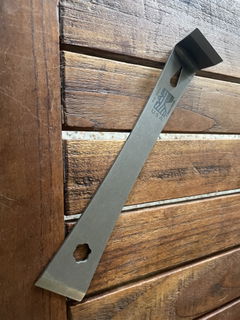
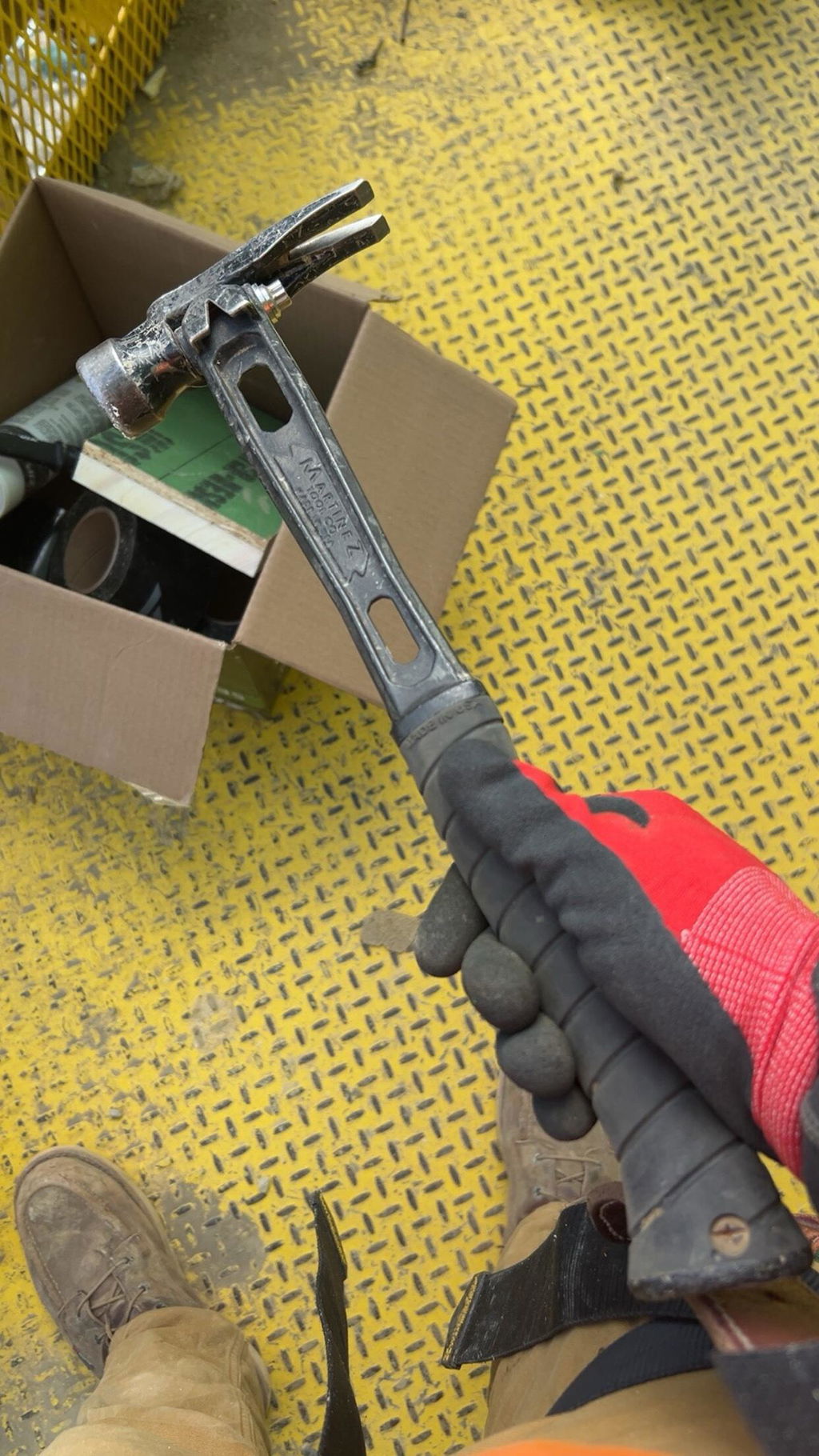
A nail puller tool has one job: extract nails cleanly while minimizing damage to the material and requiring as few attempts as possible. The head contacts the work surface during extraction. A poorly designed contact point concentrates force into a small area, leaving dimples. A wider, flatter contact area distributes pressure and protects the surface — critical in finish work where every mark shows.
Grip the Nail Shank Securely
Slippage wastes time. The slot geometry needs to lock onto the nail shank without requiring perfect alignment. Tapered slots that narrow toward the fulcrum grip tighter as leverage increases.
Reduce the Effort Required Per Pull
Leverage is simple physics. A longer handle and optimized fulcrum placement multiply pulling force. Less effort per pull means less fatigue over hundreds of extractions.
When A Dedicated Nail Puller Outperforms A Hammer Claw
A hammer claw works for quick pulls. Pairing a nail puller with a lightweight framing hammer keeps your load manageable across a full day of corrections and tear-out work. A dedicated nail puller handles higher volume, tighter spaces, and situations where surface damage isn't acceptable.
Higher Pull Counts
Framers removing sheathing, decking, or layout mistakes pull dozens to hundreds of nails per job. A hammer claw requires more force per pull because the leverage is shorter and the head geometry isn't optimized for extraction. A dedicated nail puller reduces effort and speeds up the process.
Finish Work and Trim Applications
Hammer claws leave marks. A finish nail puller protects trim, casings, and visible surfaces by distributing contact pressure and gripping nails cleanly without tearing fibers.
Flush or Recessed Nails
A hammer claw can't get under a nail head that's flush or slightly countersunk. A nail puller with a thin, tapered nose slips underneath and gains purchase where a claw can't. When you need more reach for heavier tear-out, the best titanium pry bar handles it without the bulk of a full wrecking bar.
What To Look For In A Professional Nail Puller
Not all nail pullers are built for the same work. Here's what separates one worth buying from one that fights you on every pull.
Claw Geometry That Seats and Grips Clean
The claw needs to seat under the nail head in a single motion and grip without slipping under load. A poorly designed claw requires multiple attempts to seat, damages surrounding material during insertion, or loses grip mid-pull. On a job site where you're pulling dozens of nails a shift, that adds up fast.
Leverage Without Bulk
A nail puller needs enough leverage to extract framing nails cleanly without requiring excessive force. Length matters, but so does profile. A bulky bar won't fit in tight spaces. A bar that's too short puts too much load on your wrist. The right balance between length and profile determines how the tool performs across a full day of pull work.
Material Built for Daily Abuse
A nail puller gets dropped, thrown in a bag, and put to work under real load every day. Steel bends under repeated heavy use. Titanium holds its shape, resists corrosion, and delivers the same performance on the hundredth pull as it did on the first. For heavy demolition or situations requiring more spread force, titanium pry bars offer the same weight and durability advantages in a longer, more versatile profile.
Application-Specific Design
A framing nail puller and a finish nail puller are different tools. Match the tool to the application. A framing nail puller is built for high-volume extraction under heavy load — longer reach, greater leverage, designed for the abuse of structural work. A finish nail puller is designed for clean, controlled extraction on visible surfaces where the material left behind must remain intact. If you're also evaluating your full striking setup alongside your extraction tools, Different Types of Hammers: A Professional's Guide to Every Style breaks down which hammer works best for which application.
The Best Nail Puller For Framing And Finish Applications
The right nail puller depends on the work. Martinez Tools builds two purpose-specific titanium options — one for framing, one for finishing — each built to the demands of its application.
Titanium 12" Framing Nail Puller
Built for high-volume framing nail extraction. The 12" length delivers the leverage needed to pull framing nails cleanly without excessive force. Titanium construction keeps weight down across a full day of corrections and tear-out work. Seats clean, grips solid, and pulls without bending under the load framing work puts on a bar.
9" Titanium Finish Nail Puller
Built for clean extraction on visible surfaces. The 9" finish nail puller pulls nails without tearing up the material around them — the right choice for trim, cabinetry, and interior finish applications where the surface behind needs to remain intact. Controlled leverage, precise claw geometry, and titanium construction that holds up to daily finish work without adding unnecessary weight.
Shop The Martinez Nail Puller Built For Daily Job Site Use
Two tools. Two applications. One standard. The 12" titanium framing nail puller for high-volume framing extraction. The 9" titanium finish nail puller for clean extraction on visible surfaces. Both American-made, both titanium, both built to withstand the daily demands of professional job-site use. Order direct from Martinez Tools. Free shipping within the United States, processed and out the door within 3–5 business days. No middlemen, no markups.

![[SKU][MTC2600][0]](http://martineztools.com/cdn/shop/files/MTC2600_2.jpg?v=1786127714&width=500)