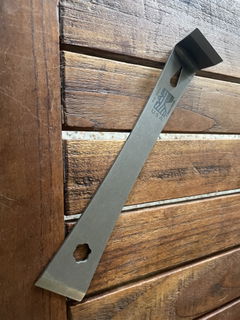
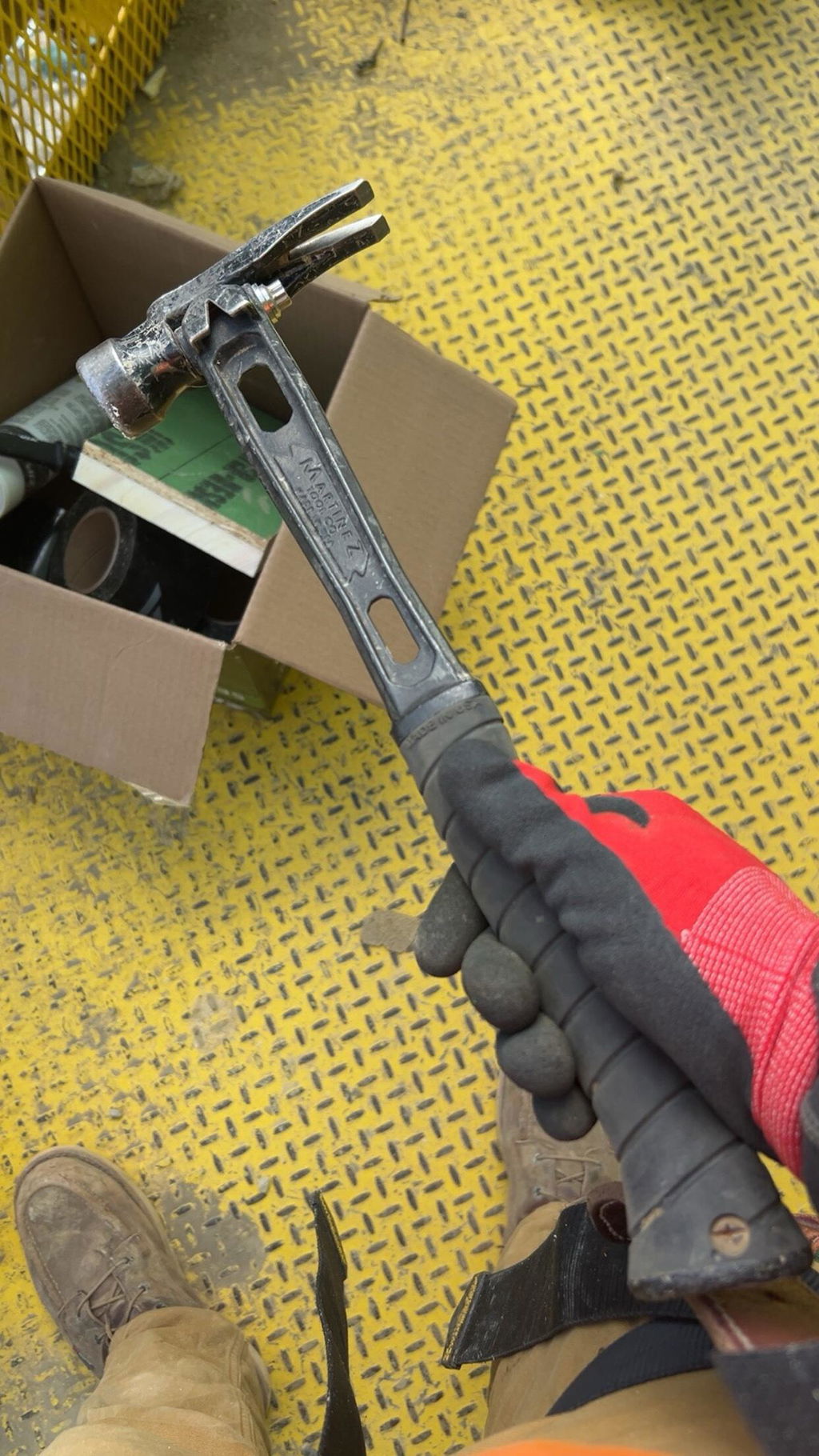
A heavy duty pry bar has to deliver leverage without excessive deformation. It needs to separate materials, pull nails, shift framing lumber, and handle demolition work without failure. The bar absorbs force repeatedly — against concrete, nailed joists, subfloors that won't budge. If the material flexes excessively or the contact points wear down, the tool becomes less effective. For tradesmen building out a complete job-site setup, the Carpentry Tools List: 25 Must-Have Tools for Every Skill Level covers the full range of tools worth having on site.
Force Distribution Without Weak Points
The handle and head need to work as a single piece. Weak joints or connections between sections create failure points under load. A solid construction distributes force evenly across the length of the bar instead of concentrating stress in one area.
Balance for Controlled Movement
Weight matters, but so does where that weight sits. A poorly balanced pry bar requires more effort to control and causes fatigue faster. The right distribution puts force where you need it without unnecessary strain.
Durability Through Repeated Impact
Demolition and framing work means constant high-impact use. The bar needs to hold up under repeated pulling of thousands of nails, separating materials, and applying weight against resistance. Materials that degrade or crack under these conditions don't last.
Where Most Pry Bars Fail Under Real Job Site Conditions
Most pry bars fail because they're built with materials that can't handle the stress or designed without understanding how the tool gets used. Lower-quality bars may deform under excessive load. Cheap alloys crack. Poorly balanced bars cause fatigue and require more force than necessary.
Material Weakness Under Load
Steel pry bars are heavier, which adds strain over a full day of use. Carbon steel can also rust when exposed to moisture, potentially weakening structural integrity over time. Lower-grade materials may deform or snap at stress points during high-force applications.
Poor Weight Distribution
When the weight sits too far forward or too far back, you're working harder to control the bar. That imbalance translates to wasted energy and faster fatigue, especially during repetitive tasks like pulling nails or shifting framing lumber.
Contact Points That Wear Out
The head and tip take the most abuse. If those contact points aren't reinforced or made from durable material, they degrade quickly. Once they wear down, the bar loses grip and effectiveness.
The Best Pry Bar For Framing: What Professional Tradesmen Require
Framing work puts real demand on a pry bar — pulling nails, adjusting members, separating material under load. The bar in your hand needs to hold up to that without bending, slipping, or slowing you down. Martinez Tools builds titanium pry bars for exactly that kind of work. Browse the full range in the Best Titanium Pry Bar collection to find the right size and spec for your framing and demolition needs. Here's the full lineup.
Martinez 7" Titanium Pry Bar
Compact and precise. Built for tight spaces where a longer bar won't fit — pulling finish nails, adjusting small members, and working in areas where leverage needs to be applied with control. Titanium construction keeps it light without sacrificing the strength needed for daily job site use.
Martinez 9" Titanium Pry Bar
The go-to for general framing and demolition work. 9" of titanium pry bar built to handle the leverage demands of production framing — pulling nails, separating lumber, and moving material that doesn't want to move. Lighter than a comparable steel bar. Stronger under load than most tradesmen expect the first time they use it.
Titanium 12" Framing Nail Puller
Built specifically for framing nail extraction. The 12" length gives you the leverage needed to pull framing nails cleanly without damaging surrounding material. Titanium construction means less weight in your hand over a full day of corrections and adjustments — exactly what a production framing site demands.
9" Titanium Finish Nail Puller
Designed for finish work where clean extraction matters. The 9" titanium finish nail puller pulls nails without tearing up the surface around them — the right tool for trim, cabinetry, and interior finish applications where the material staying behind needs to stay intact.
Why Titanium Makes A Better Heavy Duty Pry Bar Than Steel
Titanium outperforms steel in the areas that matter most for a heavy-duty pry bar. It's lighter, offers comparable strength relative to its weight, and does not rust like carbon steel. That combination translates to better performance, less fatigue, and a longer tool life. Explore the full lineup in the Titanium Pry Bars collection to find the right bar for your specific application.
Strength-to-Weight Ratio
Many titanium alloys deliver tensile strength comparable to common steels while weighing about 40–45% less for the same volume. That means less strain on your arms, shoulders, and back over the course of a workday without sacrificing the force capacity you need for demolition or framing.
Corrosion Resistance
Carbon steel rusts when exposed to moisture. Titanium does not rust like steel and offers excellent corrosion resistance in typical wet jobsite conditions. Job sites aren't climate-controlled, and tools get wet. A pry bar that won't corrode maintains its structural integrity and performance longer.
Reduced Fatigue Over Time
Lighter tools mean less cumulative strain. When you're pulling nails, shifting lumber, or doing demo work for hours, every ounce matters. Titanium reduces that load without compromising strength or durability.
What To Look For In A Demolition Pry Bar Built For Daily Use
A demolition pry bar takes more abuse than most tools on a job site. It needs to handle high-impact force, resist wear at contact points, and maintain structural integrity through years of heavy use. Look for solid construction, durable materials, and thoughtful design.
Reinforced Contact Points
The head and tip wear out first under constant impact. Those areas need to be reinforced with materials that can take repeated high-force contact without degrading. Weak points here mean early failure.
Solid, One-Piece Construction
Joints and connections are failure points. A pry bar built as a single piece distributes force evenly and eliminates weak spots where the tool could crack or separate under load. For a broader look at how hand tool design affects job-site performance, A Professional's Guide to Different Types of Hammers covers the full range of professional trade tools in practical terms.
Material That Holds Up
High-grade titanium tools maintain their shape and performance through thousands of uses. That durability matters when you're relying on the same tool day after day.
Why Pros Choose Martinez Tools For Their Heavy Duty Pry Bar
There's no shortage of pry bars on the market. Here's what separates Martinez.
Built for Performance, Not Replacement
Martinez pry bars are engineered to last years, not months. Solid titanium construction, reinforced contact points, and a balanced design mean you won't need to replace tools every season.
American-Made
Every Martinez titanium pry bar is Made in the USA. No shortcuts on materials. Quality control that holds to the same standard across every tool in the lineup.
Built for Tradesmen, Not Hobbyists
These aren't general-purpose tools. They're built for contractors, framers, and finish carpenters who put their tools to work every day and expect them to perform the same way every time. If you're also looking to reduce swing weight on the hammer side of your kit, the Lightweight Framing Hammer collection applies the same performance philosophy to framing hammers built for full-day use.
Shop The Martinez Titanium Heavy Duty Pry Bar
Four titanium pry bars. American-made, built for daily job site use, and lighter than steel without sacrificing strength under load.
Choose the size that fits the work. The 7" for tight spaces and finish applications. The 9" for general framing and demolition. The 12" framing nail puller for high-volume nail extraction. The 9" finish nail puller for clean extraction on visible surfaces.
Order direct from Martinez Tools. Free shipping within the United States, processed and out the door within 3–5 business days.


![[SKU][MTC2600][0]](//martineztools.com/cdn/shop/files/MTC2600_2.jpg?v=1786127714&width=500)


![[SKU][MTC2600][0]](http://martineztools.com/cdn/shop/files/MTC2600_2.jpg?v=1786127714&width=500)