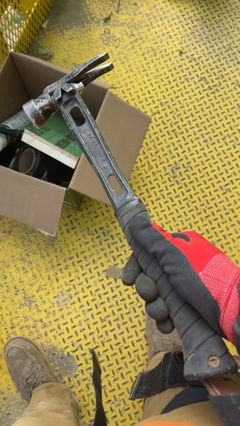
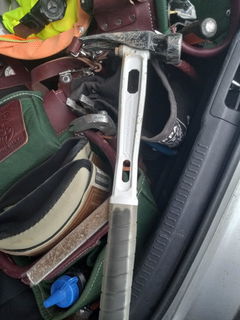
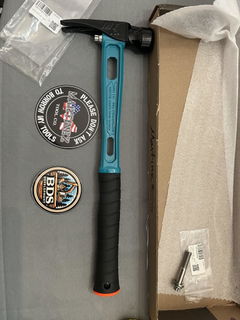
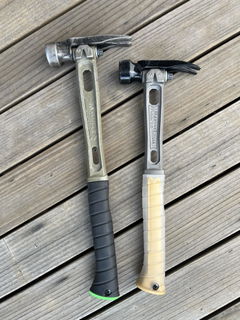
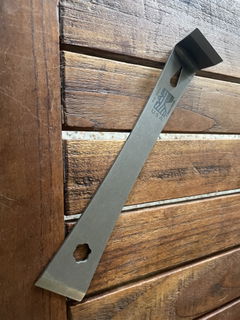
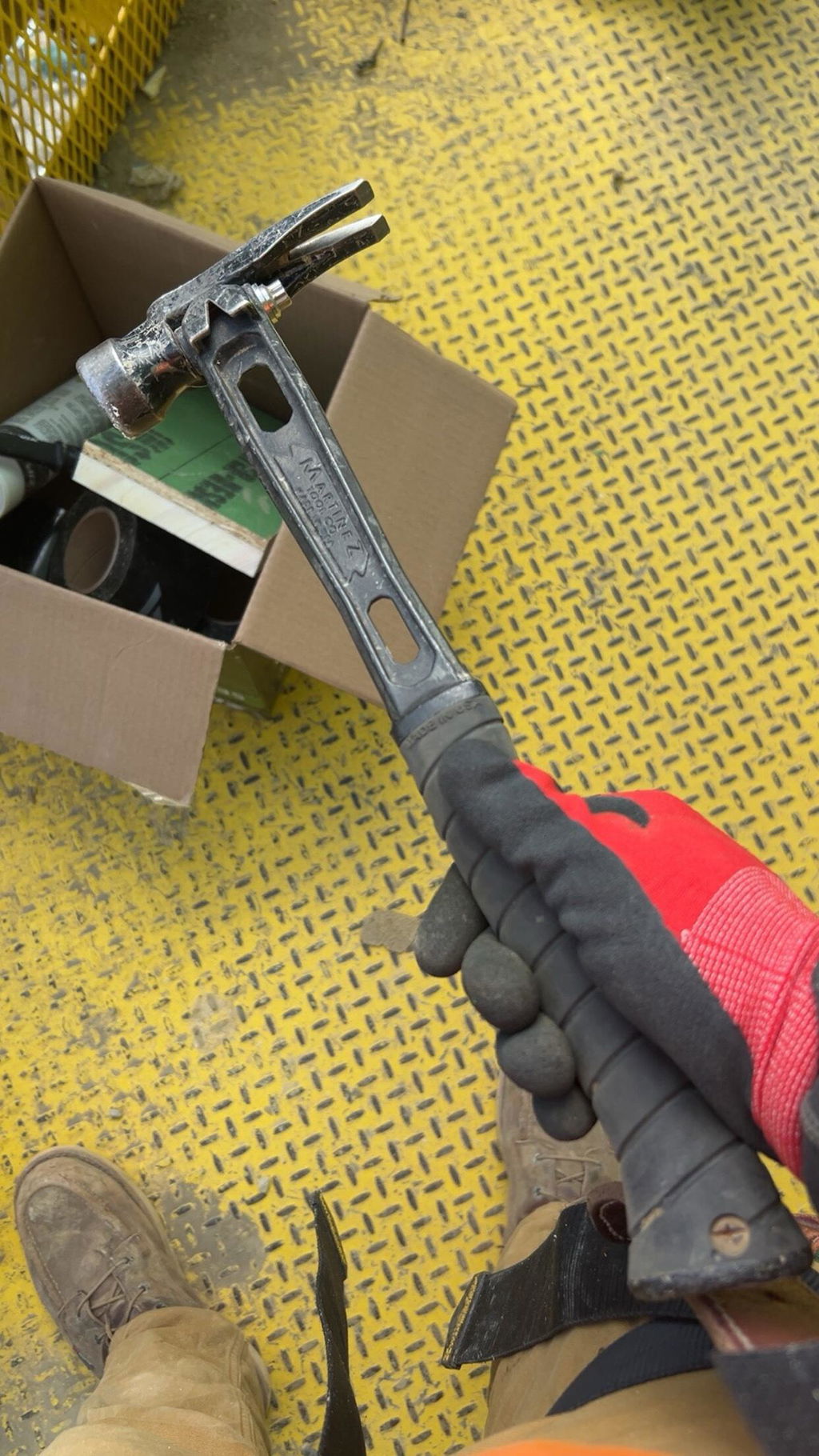
A demolition pry bar gets used as a lever, a wedge, a striker, and a fulcrum point, sometimes all in the same pull. It's not a finish tool. The job puts the bar under lateral force, torsional stress, and repeated impact. Understanding how different tools are built for different tasks matters, just as knowing A Professional's Guide To Different Types of Hammers helps tradesmen select the right tool before stepping onto a job site.
Repeated High-Load Leverage With Proper Design
Demo work involves prying nails from nailed-down materials under tension. The bar has to transfer force effectively. Grade 5 titanium provides high tensile strength at substantially lower weight than steel, though resistance to permanent deformation depends on bar geometry, yield strength, and applied load.
Impact Resistance During Forced Entry
Sometimes you're not prying, you're driving the bar into a gap with a hammer or mallet. Grade 5 titanium has high strength and good toughness, making it suitable for repeated strikes when properly designed. For a deeper look at how hammer selection affects impact work, Hammer Types Explained: Choosing the Right Hammer Every Time breaks down what to reach for depending on the application.
Claw Bite That Grabs Nail Heads and Board Edges
If the claw can't catch, the bar's useless. Flat ends work for wedging. Curved claws work for pulling. The best pry bar for demo work has geometry that grabs fasteners and board edges without slipping off under load.
Titanium Vs. Steel Demolition Pry Bars
Steel pry bars are heavy. That's the trade-off for strength, except Grade 5 titanium delivers high tensile strength at 43–45% less density. On a demo job, that difference shows up fast.
Weight Over Time
A 3 lb steel bar doesn't feel heavy for the first hour. By hour three, your grip's fatigued and your swing speed's dropped. A 1.5 lb titanium bar provides comparable leverage while reducing cumulative upper-limb loading.
Material Performance Under Load
Performance under load depends on alloy selection, bar geometry, and heat treatment. Grade 5 titanium offers an excellent strength-to-weight ratio, though its lower elastic modulus compared with steel means bar design must account for deflection characteristics.
Corrosion Resistance
Steel can rust in damp environments if unprotected. Titanium forms a stable oxide layer that provides excellent corrosion resistance in many service environments, making it valuable for work in crawl spaces, exterior demolition, or water-damaged structures.
Best Pry Bar For Demo Work: Size, Leverage, And Claw Design
Size, leverage, and claw geometry determine how a pry bar performs under demo load. Here's how the Martinez titanium lineup breaks down across each variable.
Martinez 7" Titanium Pry Bar
Compact leverage for tight spaces. Built for controlled demolition work where a longer bar won't fit, pulling nails, separating material, and working in confined areas where leverage needs to be applied with precision. Light enough to use all day without adding to the physical toll of demo work.
Martinez 9" Titanium Pry Bar
The standard for general demo and framing work. 9" of titanium delivers the leverage needed to pull nails, separate lumber, and move material under load. Lighter than a comparable alternative at the same strength, the go-to bar for tradesmen running full days of demolition work.
Claw Design Across the Lineup
Every Martinez pry bar claw is machined to seat under the nail head cleanly and grip without slipping under load. That's not a given on bars not built to tight tolerances, and on demo work where force is involved, a claw that slips costs you time and damages the work.
Lightweight Pry Bar For Demolition
A lightweight pry bar demolition tool isn't about convenience. It's about sustaining output across a full shift. Weight matters when you're swinging the bar repeatedly, not just once.
Repetitive Motion Loading
Every swing adds cumulative load to your forearm, wrist, and shoulder. Titanium reduces that load through lower density while maintaining high tensile strength. Over the course of a day, that means more work done with less physical cost.
Speed and Repositioning
Lighter tools move faster. When you're repositioning a pry bar between pulls, a 1.5 lb bar resets quicker than a 3 lb bar. That adds up across hundreds of repetitions.
One-Handed Operation
Sometimes you're holding material with one hand and prying with the other. A heavy bar makes that impossible. Titanium lets you work one-handed when the job requires it.
Titanium Wrecking Bars
A titanium wrecking bar isn't a trim tool. It's built for the kind of work that breaks standard pry bars, subfloor removal, framing teardown, and siding demo. The material and construction have to match the application.
Grade 5 Titanium Construction
We use Grade 5 titanium because it has the tensile strength to withstand repeated high-stress loads while remaining lightweight. Performance depends on alloy selection, bar geometry, and proper design for the intended application.
That same commitment to material quality defines everything we do. Learn more About Our Workmanship and what goes into every bar we build.
Machined Construction
Our bars are manufactured in the USA with precision machining and quality control at every step. Design focus is on eliminating weak points and maintaining consistent strength throughout the tool. The standard we hold ourselves to was shaped by a long legacy of craft.
Shop The Martinez Titanium Pry Bar Built For Demo Work
Every Martinez titanium pry bar is American-made, precision-machined, and built to hold up under the load demo work puts on a bar. Shop All Titanium Tools and Hammers and choose the size that fits your application, framing nail extraction, finish nail pulling, or general demolition work. Order direct from Martinez Tools, no middlemen, no markups. Free shipping within the United States, processed and out the door within 3–5 business days.
Shop the Martinez titanium pry bar lineup today.
![[SKU][MTC2600][0]](http://martineztools.com/cdn/shop/files/MTC2600_2.jpg?v=1784917658&width=500)