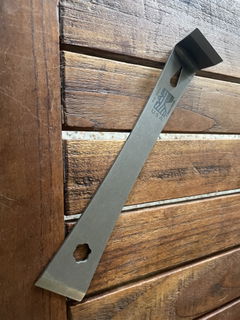
The best nail puller for hardwood floors pulls fasteners cleanly while minimizing marks on the surrounding wood. That means thin jaws that slip under finish nail heads, controlled leverage that reduces gouging, and design features that protect softer woods like pine or fir.
Slip Beneath Finish Nails Without Tearing Fibers
Finish nails sit nearly flush. A thick pry bar won't fit. Thin, precision-ground jaws slide beneath the head without lifting surrounding wood fibers.
Apply Leverage Without Gouging the Surface
Excessive force concentrated in one spot leaves divots. Tools with wider fulcrum points distribute pressure across larger surface areas, reducing the risk of visible damage.
Extract Fasteners at Controlled Angles
Pulling at controlled, shallow angles may reduce splitting in many situations, though results vary with species, grain orientation, and fastener depth. If you're building out your kit, our carpentry tools list covers the full range of must-haves for every level.
Why Hardwood Floor Nail Pulling Demands A Dedicated Tool
Hardwood floors are finished surfaces. Every mark shows. Standard pry bars are built for demolition, not preservation. Hardwood floor work requires tools designed to preserve the surface.
Finish Nails Sit Below the Surface
Flooring nails countersink. You're not pulling exposed fastener heads; you're extracting hardware set into the wood itself. That demands precision.
The Wood Around the Nail Stays Visible
Pull a nail during demo, and surface damage doesn't matter. Pull one during a refinish, and every dent will show through polyurethane. The tool has to protect what stays behind.
Hardwoods Are Dense but Can Still Dent
Oak, maple, and hickory are relatively hard flooring woods with high Janka hardness values, but they can still dent under concentrated pressure. The tool must balance extraction power with surface protection.
Finish Nail Puller For Flooring: Protecting The Surface That Stays Behind
A finish nail puller for flooring is built to extract fasteners while minimizing marks. Thinner profiles, lighter weight, and precision-ground contact points let you pull nails from hardwood, engineered flooring, and trim with reduced risk of damaging the surrounding surface.
Thin Jaws Fit Where Standard Pry Bars Won't
Finish nail countersink below the surface. Thick pry bars can't reach them without tearing wood. Thin, tapered jaws slide under the head and lift more cleanly.
Wider Fulcrum Points Distribute Pressure
Narrow fulcrums can dent hardwood. Wider contact areas spread force across a larger surface area, reducing the risk of impressions that show through finish coats.
Controlled Leverage May Reduce Splitting
Pulling fasteners at controlled angles may help reduce splitting in some hardwood applications, though results depend on species, grain orientation, moisture content, and fastener type.
Why Material Matters On Finish Work
A titanium nail puller for hardwood offers distinct advantages: approximately 40% lighter than steel for extended use, and high specific strength that supports thin jaw profiles for tighter access.
For finish carpenters and flooring contractors, material choice affects both tool control and design possibilities. To understand how titanium and other materials factor into tool selection more broadly, see our guide on different types of hammers.
Lighter Weight Reduces Fatigue Without Sacrificing Strength
Titanium weighs approximately 40% less than steel due to its lower density. That matters when pulling hundreds of nails during a floor refinish. Less weight means less arm fatigue and better control.
Thinner Jaw Profiles Support Tight Access
Titanium's high strength-to-weight ratio can enable thinner jaw designs without compromising durability, though actual performance depends on alloy grade and engineering. Thinner jaws fit beneath finish nail heads set below the surface.
Material Quality Supports Consistent Performance
Well-designed tools maintain their geometry under working loads. Low-quality tools may bend regardless of base material; tool performance depends on alloy selection, heat treatment, and design.
Knowing Which One The Job Calls For
We build nail pullers for different applications. Framing pullers handle heavy fasteners, structural demo, and high-force extraction. Finish pullers protect surfaces, access tight spaces, and pull smaller fasteners with minimal marking. Knowing which one the job calls for saves time and prevents damage. Our hammer types guide offers a useful parallel for understanding how tool geometry shapes performance across applications.
Framing Pullers Are Built for Force
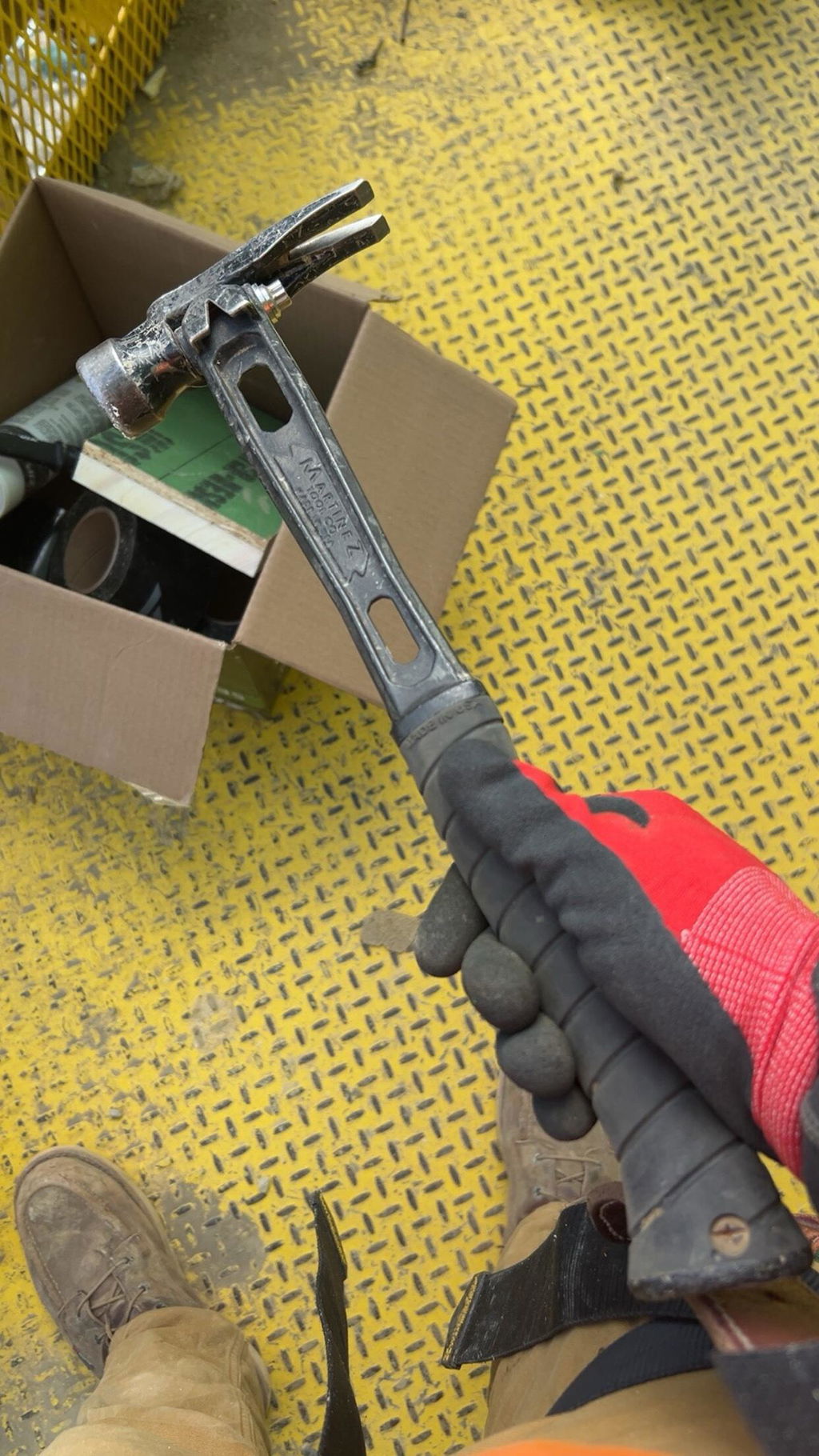
Deck screws, 16d nails, and structural fasteners require more leverage. Framing nail pullers feature thicker profiles, longer handles, and aggressive jaw geometry designed for raw extraction power.
Finish Pullers Prioritize Surface Protection
Hardwood floors, trim work, and visible surfaces need tools that minimize marks. We design finish nail pullers with thinner jaws, wider fulcrum points, and geometry that distributes pressure without gouging.
Application Dictates Tool Selection
Pulling subflooring? Use a framing puller. Removing flooring nails during a refinish? Finish puller. Using the wrong tool can damage the surface or break the fastener.
Why Pros Choose Martinez Tool Co. For Their Nail Pulling Tools
We build tools for tradesmen who work on finished surfaces daily. Our titanium nail pullers are designed for hardwood floor contractors, finish carpenters, and professionals who need to pull fasteners with minimal visible evidence. These aren't multipurpose pry bars; they're purpose-built extraction tools. Learn more about the standards behind every tool we make on our about our workmanship page.
Precision-Ground Jaws for Clean Extraction
Our jaws are machined to fit beneath countersunk finish nails, reducing fiber tear-out. The grind angle and thickness are engineered for access, not guesswork.
Titanium Construction for Weight Reduction and Control
Titanium reduces tool weight while maintaining high specific strength. We use it because lighter tools improve control during extended finish work.
Built by Professionals, for Professionals
We design tools based on real job site demands. No gimmicks. No unnecessary features. Just tools that do the job they're built for.
Shop Martinez Tools For Hardwood Floor Work
One tool for the job. The Martinez 9" titanium finish nail puller, built for clean extraction on visible surfaces without damaging what stays behind. For jobs that cross into framing corrections or heavier nail extraction, the 12" titanium framing nail puller and 9" titanium pry bar are also available. All titanium, all American-made, all built to the same standard.
Order direct from Martinez Tools and shop all titanium tools and hammers in one place. Free shipping within the United States, processed and out the door within 3–5 business days. The right tool for the job is ready when you are.
![[SKU][MTC2600][0]](http://martineztools.com/cdn/shop/files/MTC2600_2.jpg?v=1784917658&width=500)